

-1554.webp)
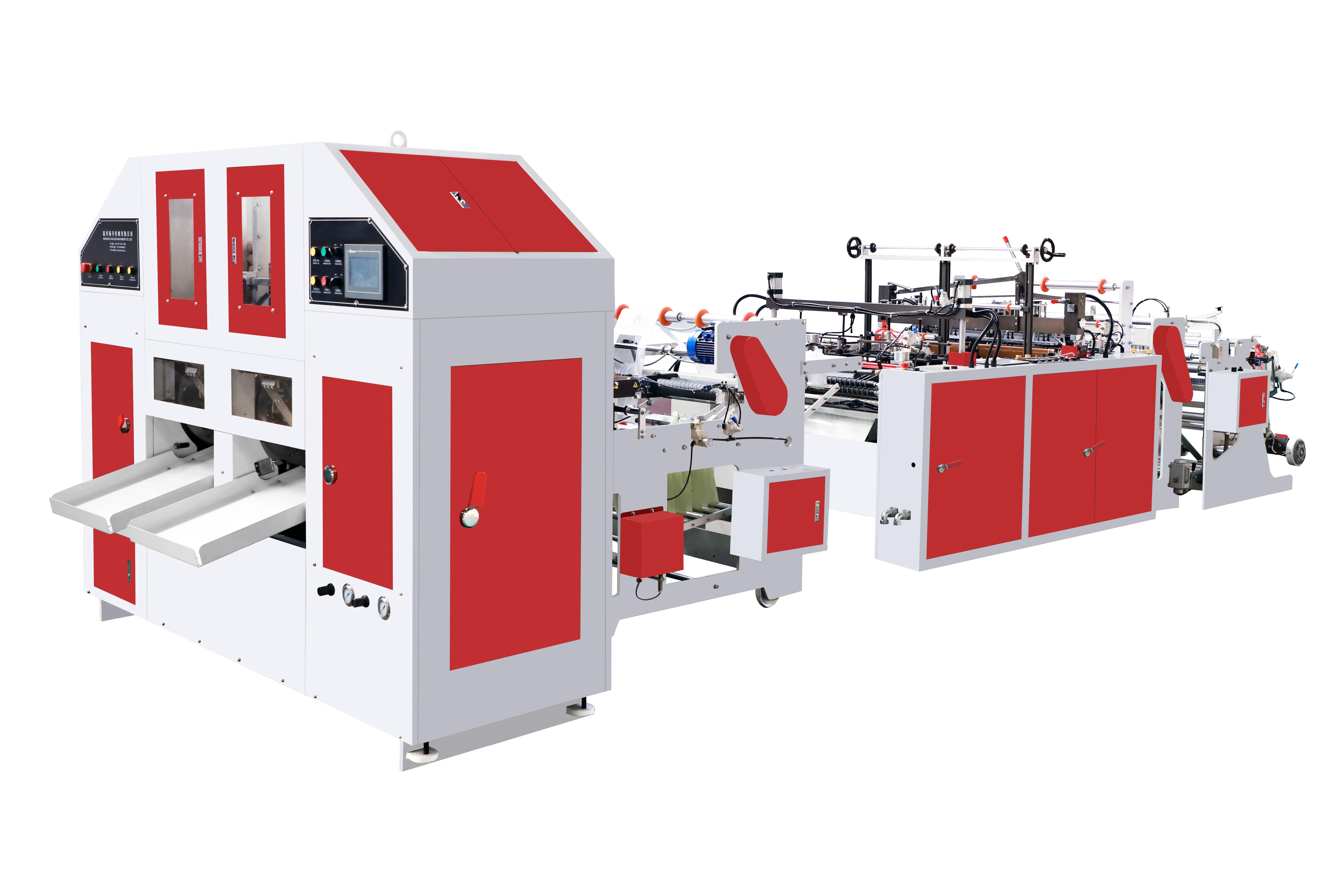
HSCS-1000WX
Fully Automatically Draw Tape Garbage Bag Making Machine
Servo vs. Mechanical: Why Servo-Driven Bag Making Machines Deliver Better ROI
When investing in a bag making machine, one of the most important decisions is the drive system. Traditional mechanical drives have been used for decades, but servo-driven technology is increasingly becoming the standard for high-performance production. What are the real differences, and why do they matter for your bottom line?
Precision and Consistency
Mechanical drives rely on gears, cams, and belts to transmit motion. Over time, these components wear, leading to speed fluctuations and positioning errors. Servo motors, by contrast, use closed-loop feedback to control position, speed, and torque with extreme accuracy. This means:
- Consistent bag dimensions – every bag meets the same specifications
- Accurate print registration – essential for printed bags
- Reduced scrap rates – fewer rejects, lower material waste
Energy Efficiency
Servo motors only draw power when needed. Mechanical drives, on the other hand, often run continuously, consuming energy even during idle phases. In practice, servo-driven bag making machines can reduce energy consumption by 15% or more compared to conventional drives. Over a year of continuous operation, this translates into significant cost savings.
Multi-Lane Independence
In multi-lane configurations, mechanical drives often link all lanes to a single motor. If one lane encounters an issue, it can affect the others. Servo systems allow each lane to operate independently, ensuring consistent quality across all lanes and minimizing the impact of individual lane adjustments.
Flexibility and Changeover
Servo-driven machines can be programmed for different bag sizes and types with minimal mechanical adjustment. This reduces changeover time and makes it easier to switch between production runs—a key advantage for manufacturers serving diverse markets.
The HIGH SEA Advantage
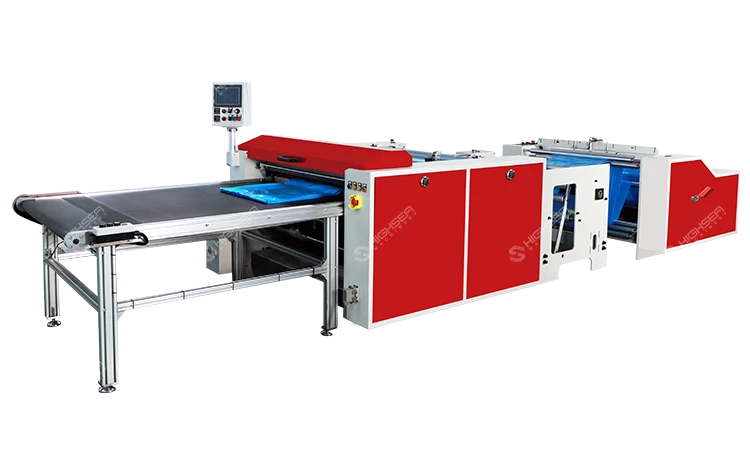
HIGH SEA’s machines are equipped with dual or four servo motor systems, depending on the model. This ensures stable, high-speed production of consistent, high-quality bags. Whether you are producing T-shirt bags, garbage bags, or flat bags, servo-driven precision helps you achieve better results with lower operating costs.
Conclusion
For manufacturers focused on long-term reliability and cost-efficiency, servo-driven technology is the clear choice. While the initial investment may be higher, the benefits in precision, energy savings, and flexibility deliver a strong return on investment over the life of the machine.
SEO Keywords: servo bag making machine, bag making machine drive system, servo vs mechanical, high precision bag making machine